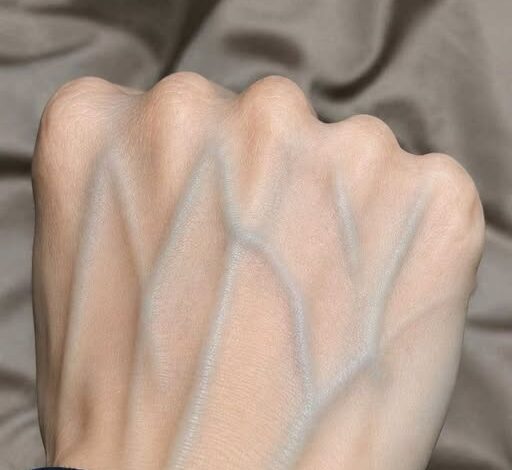
Noticing visible veins on your hands is common and, in many cases, completely normal. The appearance of veins can vary from person to person and may become more noticeable due to natural changes in the body rather than a medical problem.
Several everyday factors can make hand veins stand out. As people age, the skin gradually becomes thinner and loses some of the fatty tissue beneath it, allowing veins to show more clearly.
Regular exercise, warm temperatures, and having a lower percentage of body fat can also make veins appear more prominent. In these situations, visible veins are usually considered a normal physical characteristic.
However, a sudden change in the appearance of your veins deserves attention, especially if it is accompanied by pain, swelling, redness, warmth, or tenderness.
While these symptoms do not always indicate a serious condition, they can sometimes be associated with problems affecting blood circulation and should be assessed by a qualified healthcare professional.
One condition that can affect the veins is chronic venous insufficiency (CVI). This occurs when the valves inside certain veins do not work as effectively as they should, allowing blood to collect instead of flowing efficiently back toward the heart.
CVI most commonly affects the legs and may contribute to enlarged or twisted veins known as varicose veins. Symptoms can include aching, heaviness, swelling, or discomfort after standing for long periods.
Another condition that requires prompt medical evaluation is deep vein thrombosis (DVT). DVT happens when a blood clot develops in a deep vein, most often in the leg.
Although the clot itself cannot be seen from the outside, it may cause swelling, pain, warmth, or changes in nearby veins. Because DVT can lead to serious complications if left untreated, anyone experiencing these symptoms should seek immediate medical care.
Visible veins may also occasionally be seen alongside other health conditions that affect circulation, including certain forms of heart disease. When the heart is not pumping blood as efficiently as it should, pressure within the veins can increase.
This may be accompanied by additional symptoms such as swelling in the legs or ankles, unusual fatigue, or shortness of breath. These symptoms should always be discussed with a healthcare provider.
It is important to remember that visible veins alone are usually not a cause for concern. The overall pattern of symptoms, medical history, and physical examination are much more useful than the appearance of veins by themselves.
If you notice that your veins have become suddenly more visible, painful, swollen, or are changing along with other concerning symptoms, scheduling an evaluation with a healthcare professional is the safest course of action.
Early assessment can help identify whether the changes are simply part of normal aging or whether they require further medical attention.